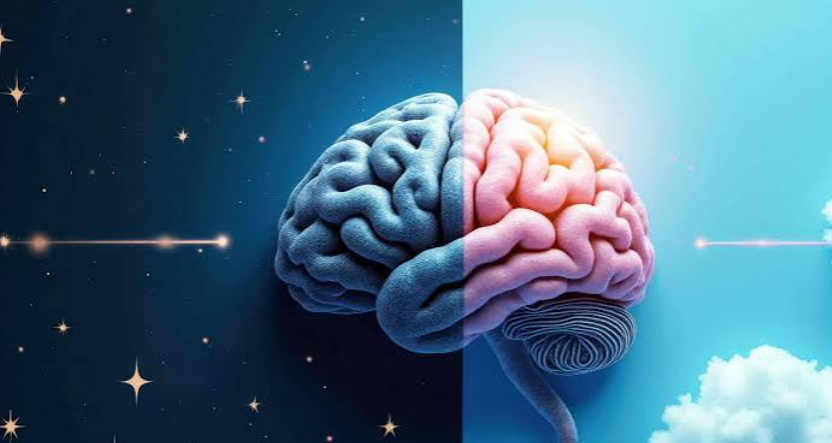
Living alongside someone with bipolar disorder can feel like trying to read a book where the genre keeps changing. One chapter is warm and energetic. The next is withdrawn and heavy. For anyone who loves, works with, or cares about a person living with this condition, understanding what is actually happening inside that shifting emotional landscape makes an enormous difference. This article breaks down the core features of bipolar disorder, explains what those mood episodes look like in practice, and offers grounded strategies for maintaining a healthy relationship with someone who has this diagnosis.
What Bipolar Disorder Actually Is
Bipolar disorder is a chronic mood disorder characterized by episodes of mania or hypomania alternating with episodes of depression. It is not simply moodiness, and it is not a personality flaw. The shifts in mood are neurological in origin, driven by changes in brain chemistry and often influenced by genetics, sleep patterns, stress, and life events.
According to the National Institute of Mental Health, approximately 2.8 percent of U.S. adults experience bipolar disorder in a given year, and the condition affects men and women at roughly equal rates. Globally, the World Health Organization lists bipolar disorder among the leading causes of disability in young adults, underscoring just how significant its impact can be.
There are several recognized forms of the disorder, and the distinctions matter because they affect how symptoms present and how treatment is approached.
| Type | Manic Episodes | Depressive Episodes | Key Feature |
| Bipolar I | Full mania (can require hospitalization) | Often present | Mania is severe enough to cause major impairment |
| Bipolar II | Hypomania (less severe) | Prominent and frequent | Depression is usually the dominant burden |
| Cyclothymia | Mild hypomanic symptoms | Mild depressive symptoms | Chronic cycling for at least two years |
| Other Specified | Varies | Varies | Does not fully meet criteria for above types |
Recognizing the Phases of a Mood Episode
One of the most useful things a supportive person can do is learn to recognize the early signs of a mood shift. Episodes do not usually appear without warning. There are almost always prodromal signs, meaning early indicators that a shift is beginning, and catching them early creates opportunities to intervene before an episode becomes severe.
Signs of a Manic or Hypomanic Episode
- Decreased need for sleep without feeling tired
- Unusually elevated or irritable mood that feels different from normal happiness
- Racing thoughts and rapid, pressured speech
- Inflated self-esteem or grandiosity
- Increased goal-directed activity or physical restlessness
- Impulsive decisions involving money, relationships, or risk-taking
- Difficulty concentrating because attention is pulled in many directions
Signs of a Depressive Episode
- Persistent sadness, emptiness, or hopelessness
- Loss of interest in activities that normally bring pleasure
- Fatigue and low energy even after adequate rest
- Difficulty concentrating, remembering, or making decisions
- Changes in sleep, either sleeping too much or too little
- Changes in appetite or weight
- Thoughts of death or suicide, which require immediate attention
It is worth noting that mixed episodes, where symptoms of mania and depression occur simultaneously, are also possible. These are often the most distressing and the most difficult to recognize because the presentation is contradictory. Someone might feel hopeless while also feeling agitated and unable to slow down.
Why Relationships Are Especially Affected
Bipolar disorder does not exist in isolation. It ripples outward into every close relationship. During manic phases, a person might make promises they cannot keep, spend money that strained the household budget, or say things they later regret. During depressive phases, they may withdraw entirely, cancel plans repeatedly, and seem unreachable. For the people who love them, this inconsistency can create confusion, hurt, and exhaustion.
Research published in the journal Bipolar Disorders has shown that relationship satisfaction among couples where one partner has bipolar disorder tends to be lower than in the general population, though couples who engage in shared psychoeducation show significantly better outcomes. That finding points to a real and hopeful truth: understanding the condition is itself a form of support.
There is also a common emotional trap that family members and partners fall into, which is taking the symptoms personally. When someone in a depressive episode stops reaching out, it is not rejection. When someone in a manic episode becomes irritable and dismissive, it is not contempt. Separating the person from the episode is hard, but it is one of the most important relational skills to develop.
Practical Strategies for Supportive Relationships
Support looks different depending on where someone is in their illness cycle, their treatment status, and the nature of your relationship with them. A spouse, a sibling, and a colleague all need slightly different approaches. That said, there are foundational practices that tend to help across contexts.
For anyone dealing with bipolar people in their personal or professional life, one of the most evidence-backed starting points is learning about the condition through credible sources, including resources designed for families and caregivers, so that reactions come from understanding rather than fear or frustration.
- Learn the person’s specific warning signs. Bipolar disorder presents differently in every individual. Ask the person, during a stable period, what their early signs look like and what they find helpful when an episode begins.
- Support treatment adherence without being controlling. Medication and therapy are the cornerstones of managing bipolar disorder. You can gently encourage consistency without policing or pressuring.
- Create predictable routines together. Sleep disruption is one of the most common triggers for mood episodes. Shared routines around sleep, meals, and exercise can act as a stabilizing force.
- Have a crisis plan ready. Know who to call, what the person’s preferred hospital or provider is, and what their wishes are if they become unable to make decisions. Having this conversation during a stable period is far easier than figuring it out during a crisis.
- Set boundaries with compassion. Supporting someone with bipolar disorder does not mean absorbing harmful behavior without limit. Boundaries protect both people in a relationship and, when communicated clearly and calmly, they actually strengthen the relationship.
- Seek your own support. Caregiver burnout is real. Therapy, support groups like the Depression and Bipolar Support Alliance, and honest conversations with trusted people in your own life are not luxuries. They are necessities.
What Treatment Looks Like and How You Can Encourage It
Effective treatment for bipolar disorder typically combines mood-stabilizing medication with psychotherapy. Lithium remains one of the most studied and effective mood stabilizers available, though other options including anticonvulsants and atypical antipsychotics are widely used depending on the individual’s presentation. Cognitive behavioral therapy adapted for bipolar disorder, interpersonal and social rhythm therapy, and family-focused therapy have all demonstrated effectiveness in clinical research.
One persistent challenge is that people sometimes stop treatment during periods of stability, either because they feel well and assume the condition is resolved, or because they miss the energy and creativity that can accompany hypomania. This is a well-documented phenomenon and not a character flaw. If someone you care about is considering stopping medication, the most helpful response is to encourage a conversation with their psychiatrist rather than making the decision unilaterally.
Family involvement in treatment, when welcomed by the person with bipolar disorder, consistently improves outcomes. Attending a psychoeducation session together, reading shared resources, or simply asking open and curious questions about how treatment is going all signal that you are a partner in their wellness rather than a bystander.
See also: When Mental Health Needs More Than Weekly Therapy
Taking Care of Yourself in the Process
This is the part that often goes unspoken. The people who care for or live closely with someone who has bipolar disorder frequently put their own needs on hold. Over time, that self-neglect erodes the very capacity to be present and helpful. Your mental health matters independently of whether it affects your ability to support someone else.
Therapy for yourself, even a few sessions, can help you process complicated feelings like grief for the relationship you expected to have, guilt about your own frustration, or fear about what the future holds. Organizations like the National Alliance on Mental Illness offer free support groups specifically for family members, which many people find grounding simply because they are surrounded by others who understand without needing an explanation.
Healthy relationships with people who have bipolar disorder are genuinely possible. They require honesty, patience, and ongoing learning, but they are not defined by the diagnosis. Many people with bipolar disorder live full, creative, and connected lives, especially with stable treatment and supportive relationships. Knowing more about what the condition involves, how it moves, and what helps is not just useful background information. It is one of the most meaningful forms of care you can offer.


 By
By