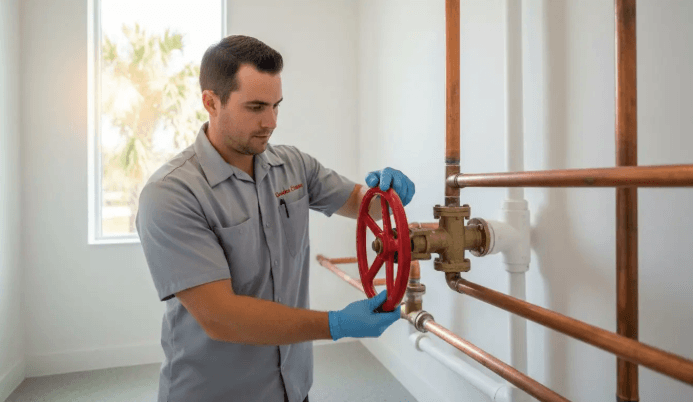
Preventing mold from plumbing leaks starts with detecting hidden moisture sources and acting promptly. Regular inspections, cabinet cavity checks, and fixture tests help catch drips early. Maintain seals and connections, and document findings to sustain vigilance. When leaks occur, fix with proper materials, then dewater using fans and dehumidifiers while monitoring humidity thresholds. A moisture-smart routine—organized utility spaces, timely repairs, and routine audits—keeps potential problems in check, but persistent vigilance remains the key to sustainable prevention.
Spot Hidden Leaks Before They Start
Unexpected leaks often begin subtly, making early detection essential for preventing mold growth. The approach emphasizes routine inspection, proactive maintenance, and data-driven checks. Spot hidden moisture sources via ambient humidity tracking, cabinet cavity audits, and fixture tests.
Leaks prevention relies on promptly addressing drips, securing connections, and upgrading aging seals, while documenting findings for ongoing vigilance. Practical, evidence-based practices support freedom from hidden water risk.
Fix Leaks Effectively to Stop Mold
Fixing leaks promptly and effectively is essential to halt mold development, as even small, persistent drips can sustain moisture levels that promote fungal growth.
The approach emphasizes locating spot leaks, assessing cause, and repairing with proper materials.
Evidence supports using sealants or replacements as needed, followed by monitoring for recurrence.
This practice reinforces mold prevention and safeguards indoor air quality through deliberate, preventative action.
See also: The Legal Status of Cryptocurrency Worldwide
Drying Techniques That Prevent Mold Buildup
Drying techniques are a critical line of defense against mold buildup after plumbing-related moisture events.
Post-leak dewatering relies on fans, dehumidifiers, and rapid surface drying to reduce residual humidity.
Evidence supports frequent monitoring and threshold targets to curb mold growth.
Implement conservative timelines, document outcomes, and prioritize mold prevention through controlled airflow and moisture removal.
Create a Moisture-Smart Home: Preventive Habits and Maintenance
Effective moisture management starts with daily habits and proactive maintenance routines that minimize leak risk and curb mold growth. A moisture-smart home hinges on consistent inspections, prompt repair of fittings, and dry organization of utility spaces. Cultivating moisture aware routines supports early detection, while a Leak prevention mindset reduces complacency and emphasizes proactive ventilation, drainage checks, and routine system audits.
Conclusion
Proactive vigilance beats damage: when a homeowner spotted a tiny cabinet drip, they mapped every line and tightened connections before staining appeared, saving costly repairs. A single data point—relative humidity held below 50%—matched fewer mold concerns across seasons. The story echoes a simple truth: regular inspections, prompt repairs, and effective drying keep moisture in check. By treating plumbing as a preventive system, households cultivate a moisture-smart routine that stops mold before it starts.


 By
By